Ralph Myers's interrogation recordings
Just MercyRalph Myers's interrogation recordings became the most powerful evidence presented at the end of Walter McMillian’s post-conviction hearing: they recorded Myers repeatedly denying that he knew McMillian or knew anything about the Ronda Morrison murder, while revealing pressure from officers to implicate an innocent man. Their force lay not only in contradicting the prosecution’s account, but in showing that favorable evidence had been withheld from McMillian’s trial lawyers.
The Recordings and Their Contents
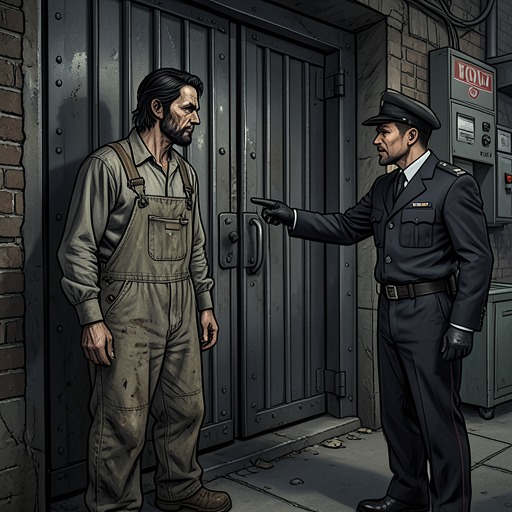
Officers Tom Tate, Benson, and Woodrow Ikner made the recordings while interrogating Ralph Myers. Across multiple recorded statements, Myers said that he did not know Walter McMillian and had no information about the murder of Ronda Morrison. The recordings also captured officers threatening him and Myers resisting efforts to make him frame someone he described as innocent.
At the post-conviction hearing, these statements stood against Myers’s trial testimony implicating McMillian. They were not an isolated inconsistency: the recorded denials repeatedly showed that Myers had told police he knew nothing of the crime or McMillian, undermining the central witness on whom the prosecution had relied.
Evidence Withheld from the Defense
The recordings exposed a larger documentary record than the defense had been allowed to see. Myers had given at least six additional statements to police beyond the two statements the prosecution had represented as the complete set. Those statements were typed, exculpatory, and favorable to McMillian; none had been disclosed to his attorneys, despite the State’s obligation to provide favorable evidence to the defense.
That nondisclosure mattered because McMillian’s trial lawyers, Bruce Boynton and J. L. Chestnut, had defended him without access to material that could have challenged Myers’s account. At the hearing, Bryan Stevenson called them to explain how much more they might have done to secure an acquittal if the State had turned over the suppressed evidence. The recordings therefore documented both Myers’s changing accounts and the defense’s loss of a fair opportunity to test the prosecution’s case.
The Hearing’s Turning Point
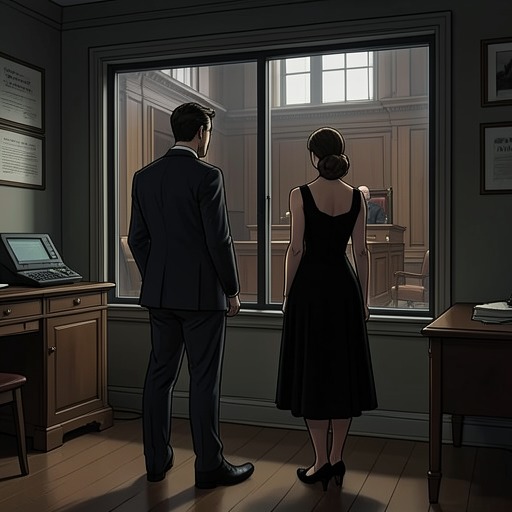
Stevenson and the other lawyers saved the recordings for the end of the hearing, after witnesses had testified that Myers was pressured to falsely accuse McMillian. Their presentation gave the claims a direct evidentiary counterpart: the tapes themselves preserved Myers’s repeated denials and the officers’ threats. The recorded material also contradicted the prosecution’s assertion that Myers had made only two statements.
The State offered no rebuttal after the defense finished presenting its evidence. The judge appeared surprised and asked both sides to submit written briefs explaining what ruling he should make. After three days of litigation, the hearing adjourned in the late afternoon. The recordings had made the withheld evidence impossible to treat as a mere dispute over recollection, although the hearing’s eventual outcome is not established by this episode alone.
Significance in the Case
The tapes gave a concrete form to the conflict between the official case and the evidence known to Myers. McMillian had faced prosecution despite doubts voiced by Black residents, and the case unfolded against a history in which Black defendants could confront overwhelmingly white juries and racial exclusion from jury service. The recordings do not, by themselves, establish every cause of the prosecution’s conduct; they do show that a central accusation was contradicted by statements in police custody and that the defense had not received those statements.
Their significance thus rests on two linked revelations: Myers repeatedly told police that he lacked the knowledge later attributed to him at trial, and the State possessed additional exculpatory statements without disclosing them to the defense. At the hearing’s close, the recordings shifted the question from whether Myers had recanted to what the prosecution and the court had done with evidence that supported his recantation.